
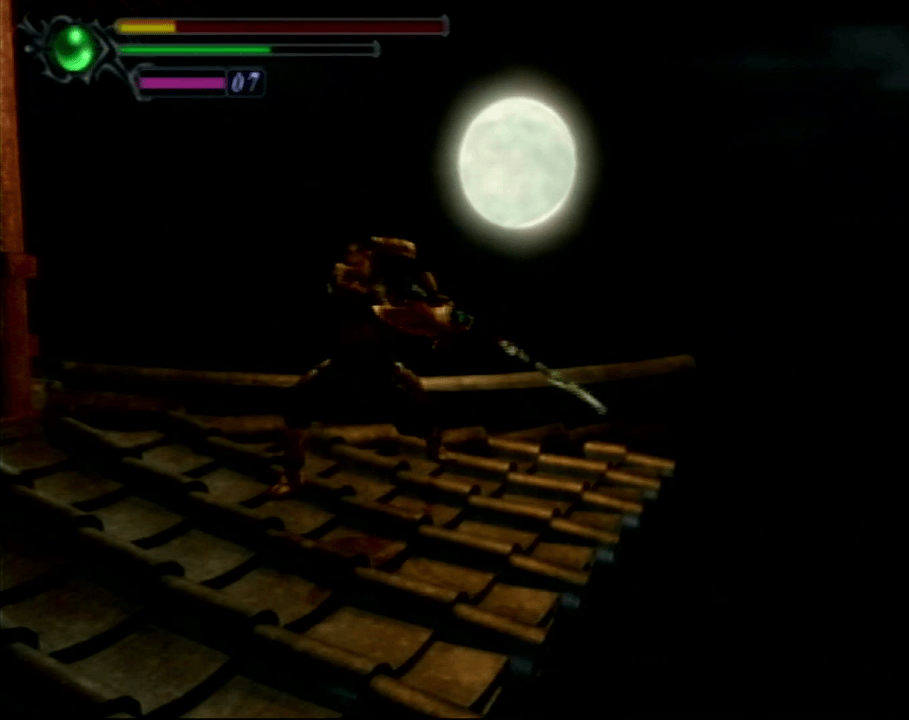
Videogame history is incremental additions to mechanics and systems, series and genres, and technology and production pipelines, and following their cinematic shooter Resident Evil, Capcom began applying its 3D action model to more genres, swapping elements to experiment without breaking. The PlayStation 2 primed the design for its second generation, and Jun Takeuchi’s Onimusha: Warlords successfully created cinematic sword fighting, translating hack ‘n slash into 3D as SquareSoft’s The Bouncer had done for brawlers. The increased processing power for animations and effects, the high-res art and character models, all aided gameplay and presentation, transforming the grindhouse zombie flick into a historical fiction samurai horror film.
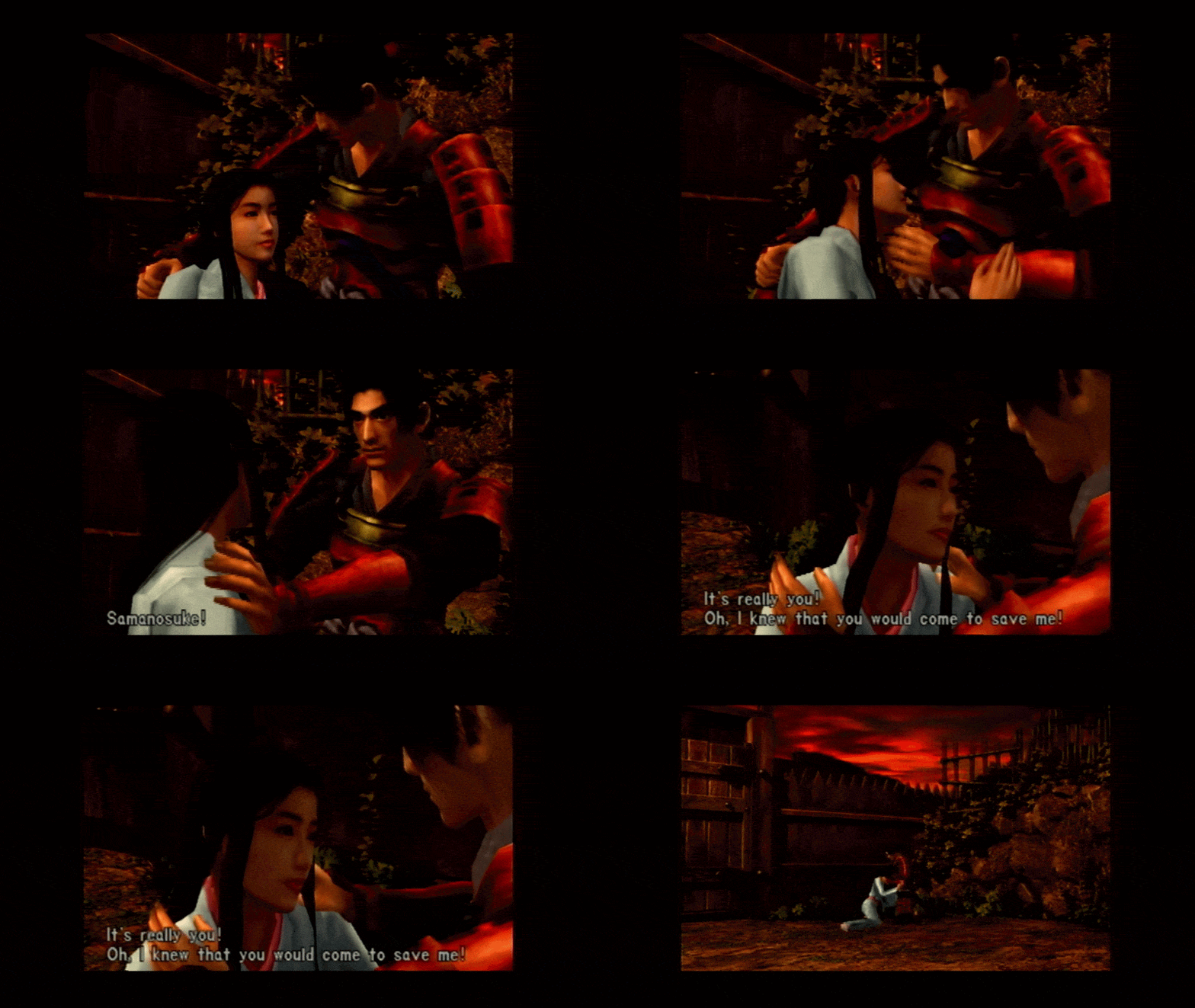
Princess Yuki has been kidnapped so the demon king Oda Nobunaga could be resurrected, and Samanosuke Akechi infiltrates Inabayama Castle to find its grounds stalked by Genma demons. After RE’s success and impressing with its (campy) cinematic production, Capcom, Nintendo, and Sega co-formed the studio Flagship to develop narratively driven games and help build their own internal teams. While starting on Code Veronica, their Capcom work took off with Onimusha, and was an early notable effort to create digital actors with Takeshi Kaneshiro playing Samanosuke, whose confident swordsmanship was captured by the fast gameplay. Since a game’s story often mirrors its development, it’s interesting that the demonic possession reflects the hack and slash mechanics slotted into Resident Evil’s shooter gameplay. Onimusha’s improved textures, particle effects, loading times, and gameplay show the model maturing.
3D hack ‘n slash was defined with 1998’s landmark The Legend of Zelda: Ocarina of Time’s Z-targeting system that focused the subjective camera on a single point, with the player controls changing from the default full 3D movement in any direction to strafing around and towards/from that focal point. Capcom’s decade of fighting game development allowed them to easily implement a simplified version to Resident Evil’s design, filling small gaps with complexity for a multi-faceted, reactive gameplay with many offensive and defensive options. From the auto aim lock on to the evasion system, Onimusha is Resident Evil 3: Nemesis designed around the knife, with support ranged weapons balanced out by limited ammo. Three elemental melee weapons comprise your main arsenal with heavy/quick/normal stats, each with a simple sequence of attacks from left, right, overhead, or in circles. The survival horror aspect was rethought so that defeated enemies drop souls used for currency, health, and magic, lowering the dependence on items and keeping things action focused, going so far as to gate some progress behind weapon development.
Onimusha‘s two primary control methods are swapped by holding R1, both using the same relative controls that move towards and away from enemies with up and down, and go through the same sequence of slash attacks. While Samanosuke uses tank controls in normal mode, readying his weapon transitions into a lite version of The Legend of Zelda: Ocarina of Time’s Z-targeting. Enemies can be circled around, lunged at, or kicked to break their guard, and the initial dash from moving comes with generous iframes. As with the rest of Capcom’s survival horror lineup, character models and animations have significant sense of weight and the ground, and combat is snappy, responsive, and consequential. Translating the face buttons to the right stick so that moving left slashes and up casts attacks only adds immersion to swinging a sword. The team built a simple but powerful auto targeting system that allows you to attack towards an enemy, creating a dynamic flow of action between targets, which when partnered with the attack/block rhythm creates fast-paced, intense battles.
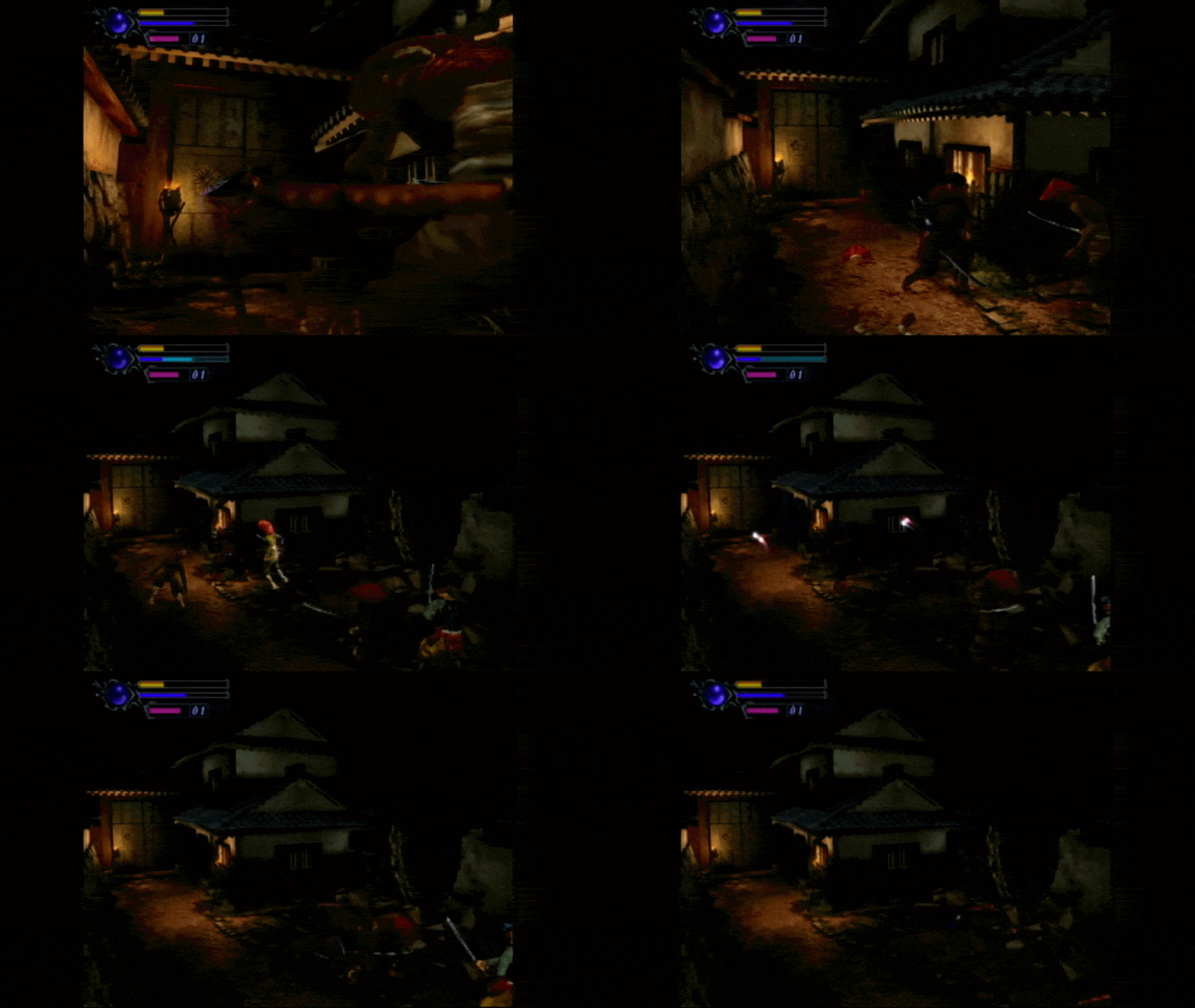
These mechanics become important for fighting the well-designed enemies with different classes and attack patterns- some simply walk up and attack, some launch ranged weapons, some are attack phobic and automatically dodge attacks. Grabs, power struggles, and more behaviors build a diverse set of complementary enemies, with one setting the player up to get hit by another. While many are small enough to get stun locked, others’ high poise needs to be whittled away before they can be staggered. Knocked down enemies can be finished off before they recover, forcing a juggle of priorities across the shifting battle field.
Onimusha provides great defensive tools outside its quick maneuverability, its straightforward block a chance to observe enemy behaviors but can be guard broken and grabbed. aFar more powerful is the Issen counter, activated by hitting square just before an enemy’s attack lands, right as the move’s whooshing sound effect plays. Evolving RE3’s powerful dodge system, Issen counters automatically reposition Samanosuke around enemies for a brutal attack with a satisfying clashing sound effect, engaging visual flair, and extra health. That Issen can be activated after a block makes it safer and easier to learn the enemies’ attacks and further reap its massive benefits.
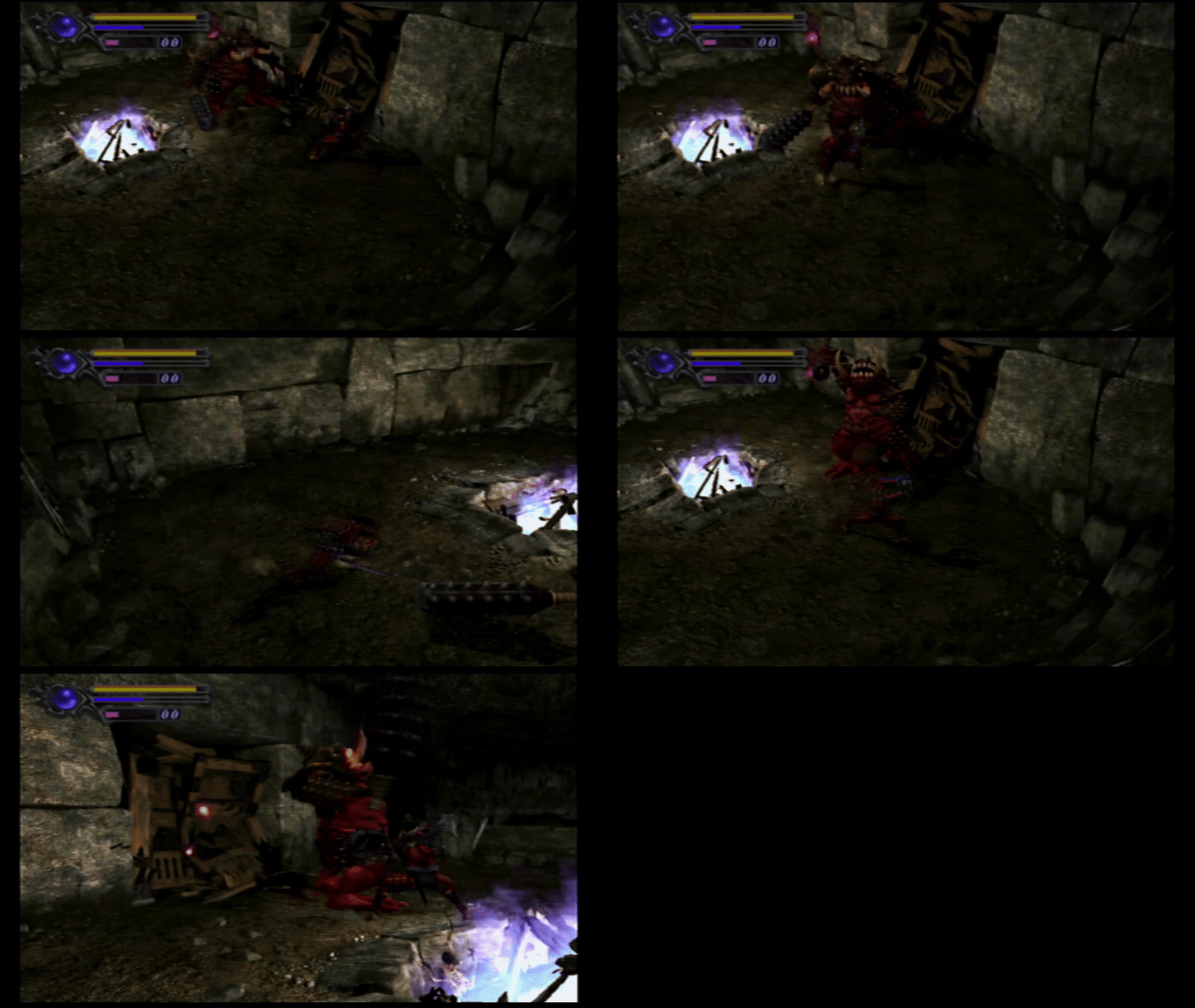
Weapons are obviously important in a hack ‘n slash, and Samanosuke’s basic arsenal offers a broad swath of attributes including the balanced lightning blade Raizan, the heavy but slow flame Enryuu, and fast but low damage double-bladed wind-based Shippuu, all of which have different ranges and combo sequences. Each weapon’s magic attack offers unique properties such as a lightning sharp sword combo, fire slash, and AOE cyclone, and their invincible animations provide a moment to recoup during intense fights. Bows and ranged weapons are easy to use with the soft lock, making repositioning easy and snappy. The simple leveling system increases weapon and element damage separately while consumables like health herbs and arrows can be upgraded to stronger variants. Respawning enemies makes farming souls easy, and the fun combat system justifies drawing your sword, which, unlike RE’s guns, never runs out of ammo.
Despite the relative simplicity of these mechanics, Onimusha outputs complex combat scenarios that only take a few engagements to understand. It fluidly moves from individual to group, allowing you to easily prioritize and maneuver between targets, let out a flurry of attacks, evade enemies positioning behind, counterattack ones on the side, finish off the one in front, and shoot the one in the back, all while sucking up souls before they disappear. Improving means survive then thrive with a soul-stuffed wallet that’s useless because your proficiency guarantees victory. It’s a fantastic, complete design.
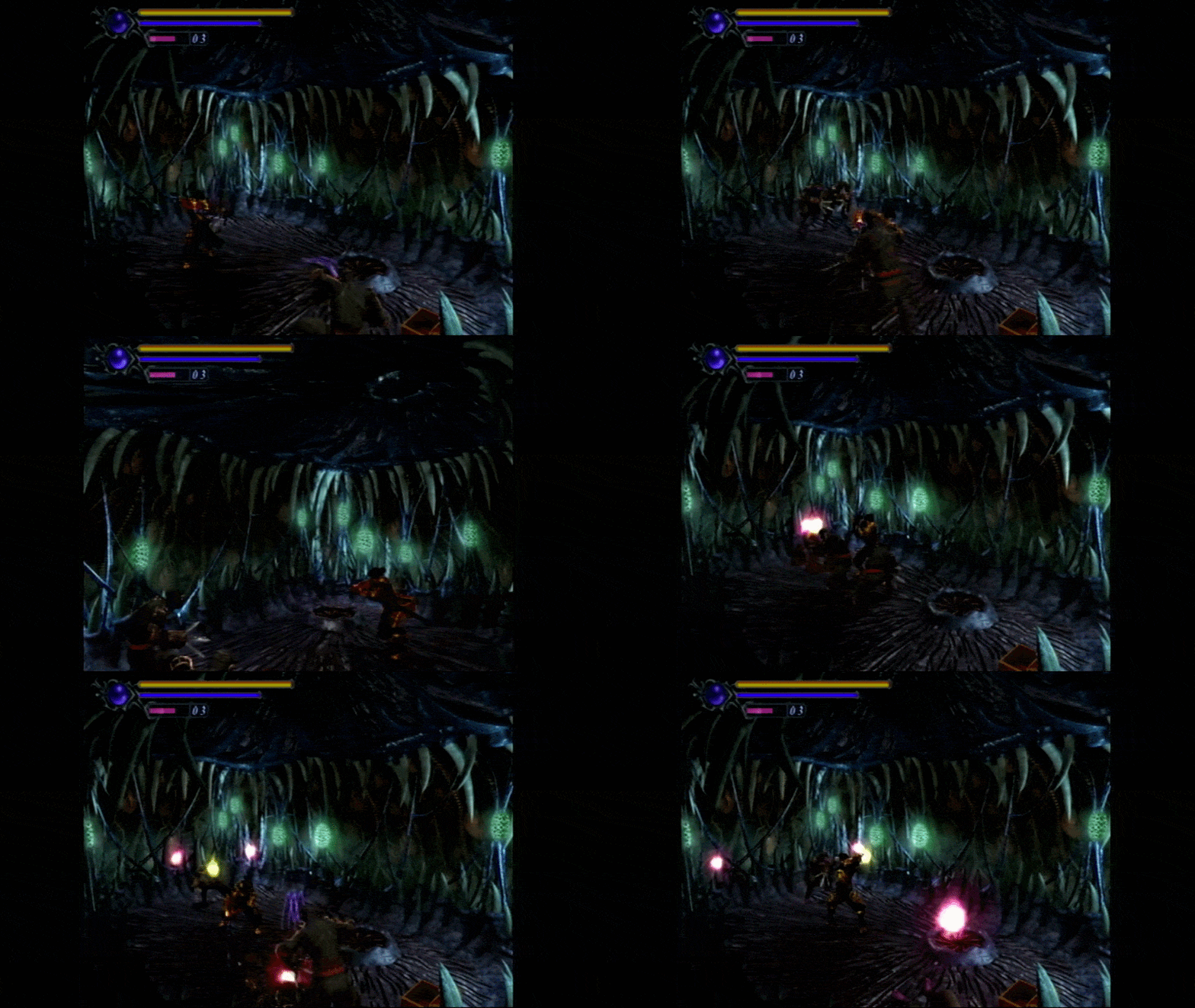
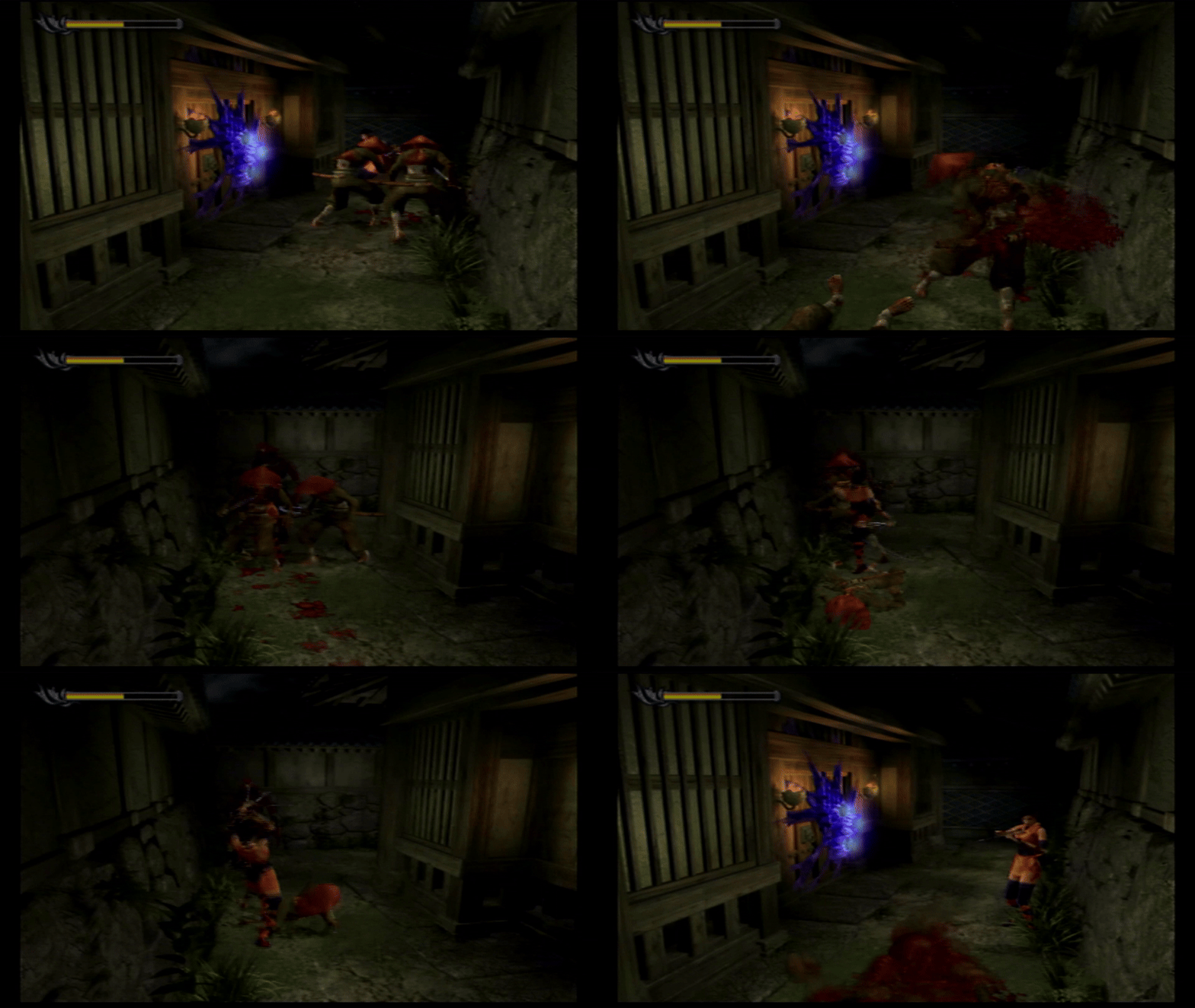
Inabayama Castle is a wonderful place to explore in look and flow. The new high-res models paint every room with interesting details and animations that bring it to life. Shadows have a rich darkness about them, fighting against the many torches and other light sources, as you fight Genma on body strewn floors. Onimusha’s loading speed is so important, moving you quickly between the small maps that force you to engage your enemies rather than run. Enemies gradually respawn less and less until they’re gone, so you can get plenty of practice without earning infinite souls.
While Onimusha proved the flexibility of Capcom’s action model across genres, Samanosuke’s kunoichi companion, Kaede, reveals its depths even within the same game: wielding her short sword and kunai knives on triangle, she slashes through enemies, flips over for an advantage, and executes them where they stand. Considering this versatility, it’s no wonder that Onimusha itself led to an action game milestone, when Resident Evil 2 director Hideki Kamiya apocryphally found a bug that juggled enemies in the air, inspiring a vision of suspending them with gunfire and jumping to the air, leading him to create the stylish slash and shoot masterpiece Devil May Cry and, ultimately, the over-the-top character action genre. But before that was Onimusha: Warlords, summoning 2D souls into new 3D bodies.
DEVELOPER: Capcom
PLATFORM: PlayStation 2
2001

