
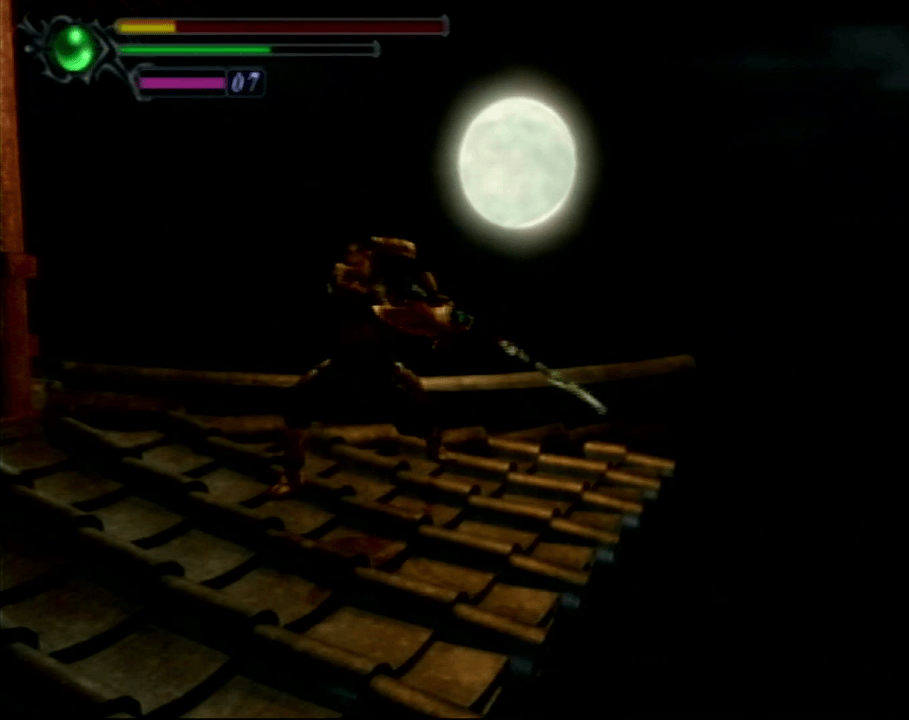
Videogame history is incremental additions to mechanics and systems, series and genres, and technology and production pipelines, and following their cinematic shooter Resident Evil, Capcom began applying its 3D action model to more genres, swapping elements to experiment without breaking. The PlayStation 2 primed the design for its second generation, and Jun Takeuchi’s Onimusha: Warlords successfully created cinematic sword fighting, translating hack ‘n slash into 3D as SquareSoft’s The Bouncer had done for brawlers. The increased processing power for animations and effects, the high-res art and character models, all aided gameplay and presentation, transforming the grindhouse zombie flick into a historical fiction samurai horror film.
Continue reading “A Samurai Soul in Zombie Body: The Hack ‘N Slash Spirits That Summoned Onimusha from Resident Evil”Category: Action-RPG
Parasite Eve (or, SquareSoft’s Experimental Cinematic RPG)

Aya Brea’s date night at Carnegie Hall is tragically cut short when the show’s new singer eyes her in the audience, activating an unknown ability deep in her cells that lights everyone in attendance on fire except the stunned NYPD detective who chases the mutated Eve backstage. The theater is a perfect place to start Parasite Eve’s story, as the game, inspired by survival horror games of the time, was SquareSoft’s experiment with cinematic techniques, using digital actors on its virtual stage. Since RPGs are fundamentally about surviving dungeons and harsh environments with the resources you have in your inventory, Parasite Eve was a great opportunity to experiment with new ideas. Directed by Takashi Tokita, veteran of Live A Live and Chrono Trigger, Parasite Eve is a cinematic police procedural that merges game genres to tell of the six day quest to stop Eve’s genetic awakening before it changes humanity forever.
Continue reading “Parasite Eve (or, SquareSoft’s Experimental Cinematic RPG)”
