

Aya Brea’s date night at Carnegie Hall is tragically cut short when the show’s new singer eyes her in the audience, activating an unknown ability deep in her cells that lights everyone in attendance on fire except the stunned NYPD detective who chases the mutated Eve backstage. The theater is a perfect place to start Parasite Eve’s story, as the game, inspired by survival horror games of the time, was SquareSoft’s experiment with cinematic techniques, using digital actors on its virtual stage. Since RPGs are fundamentally about surviving dungeons and harsh environments with the resources you have in your inventory, Parasite Eve was a great opportunity to experiment with new ideas. Directed by Takashi Tokita, veteran of Live A Live and Chrono Trigger, Parasite Eve is a cinematic police procedural that merges game genres to tell of the six day quest to stop Eve’s genetic awakening before it changes humanity forever.
Continue reading “Parasite Eve (or, SquareSoft’s Experimental Cinematic RPG)”Tag: 1998
The Snake’s Blueprint: An Analysis Of Metal Gear Solid’s DNA
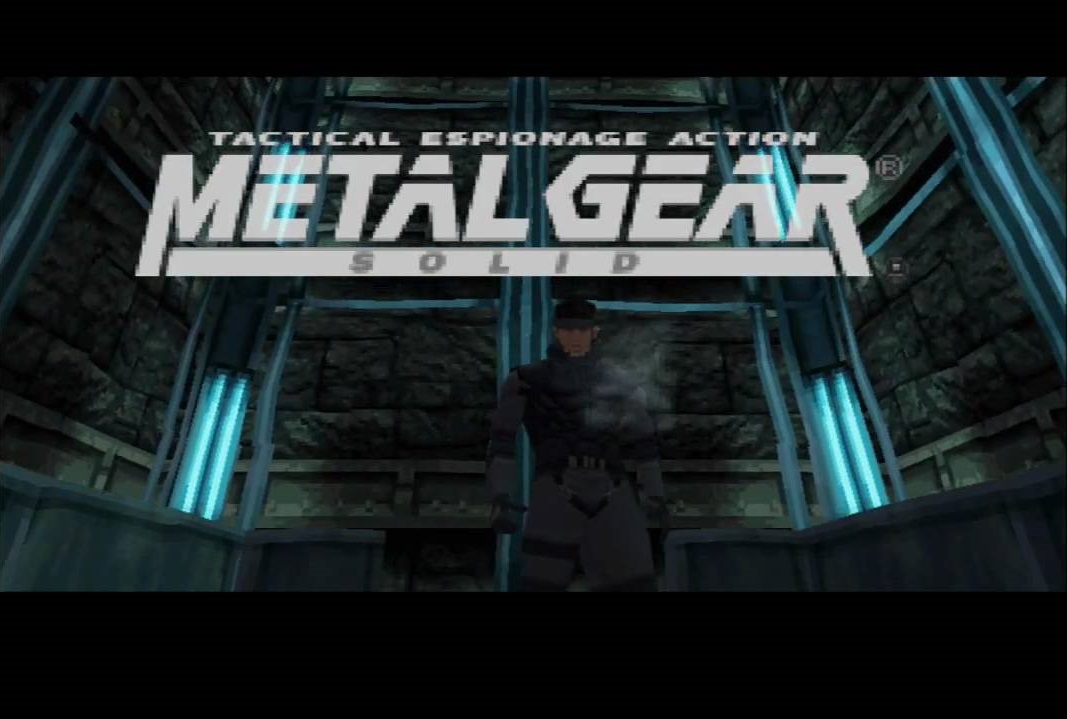
For the third time, legendary agent Solid Snake destroyed the walking tank Metal Gear deep behind enemy lines and saved the world from Armageddon, this time from his old unit FOX-HOUND led by his newly-revealed twin brother Liquid Snake. Until then, Metal Gear Solid had been an action-packed bonanza told through expertly produced cinematics that rivaled Hollywood blockbusters. And then the story pivoted at its climax. What had been a politically charged narrative about Cold War era terrorism and the threat of nuclear war changed into an examination on genetics, using the very technology and rendering techniques that brought the game to life to reinforce its deep and complex themes. With MGS, Hideo Kojima merged his narrative and gameplay abilities into a deep metaphor about biology, technology, and destiny.
Continue reading “The Snake’s Blueprint: An Analysis Of Metal Gear Solid’s DNA”
Metal Gear Solid Analysis: The Identity Trilogy Part 1: The Twin Snakes

MEME, GENE, SCENE
As an aesthetic work, the Metal Gear Solid saga examines what it means to be human. The spine of the series revolves around the full development of an individual’s identity through the foundations of their biological makeup, the shaping of culture and art upon them, and the importance of the experiences that individual collects throughout their life. But just as important are how those facets forms an individual’s beliefs and directs policies within their country and relative to countries across the globe.
Continue reading “Metal Gear Solid Analysis: The Identity Trilogy Part 1: The Twin Snakes”
 scriptroutine.com