Training New World Warriors in Street Fighter’s Dojo

Street Fighter’s shotokan style was an important first archetype for a 1v1 fighting game and introduced Ryu and Ken to the world, but the game had too many weaknesses to sculpt a complete, well-rounded martial artist. Like a body maturing, its strength multiplying and nervous system connecting every part, it wasn’t until Capcom’s arcade hardware improved that it could fully realize the fighting depth and dramatic spectacle to which the original game aspired. But three and a half years would prove fruitful training time to address SF’s faults, and the result revolutionized videogames forever and debuted an iconic cast of diverse fighting styles. With its improved animation system, new character archetypes, and a third core mechanic that brilliantly merged the gameplay, Street Fighter II: The World Warrior’s eight playable fighters helped solidify Street Fighter’s martial art, and took its digital dojo global.

Continue reading “Training New World Warriors in Street Fighter’s Dojo”

He Dreams in 3D: Tracking Yu Suzuki’s Gameography From Hang-On to Shenmue

Of all entertainment forms, videogames have an unparalleled ability to simulate real activities, simplifying them into versions that are often more accessible to players than the original. Yu Suzuki successfully defined many of videogame’s most important genres by translating action sports into personal games. Suzuki realized that the key to making a game personal is in how physical, how true to real life, you can make it for the player. Over decades of legendary titles, Suzuki grew Sega’s arcade reputation by giving players tactile game experiences in three-dimensional worlds to become one of the medium’s most influential designers.

Continue reading “He Dreams in 3D: Tracking Yu Suzuki’s Gameography From Hang-On to Shenmue”

R&D – Prototype 2

Radical Entertainment’s 2009 release of Prototype was welcomed with open arms, even though it dropped a month after the fundamentally similar Infamous. Over 400 thousand people were happy enough to aid in its journey to reaching Platinum status (which it did fairly quickly) for obvious reasons. Being an open world game centered on a biologically enhanced anti-hero capable of scaling buildings and slaughtering entire military units in a fashion that brought to mind John Carpenter’s The Thing, none of this came as much of a surprise.

Continue reading “R&D – Prototype 2”

Snatcher: A Cyberpunk Adventure

Originally released on Japanese MSX2 and PC-8801 machines in 1988, Snatcher is a cyberpunk adventure dripping in dark themes and dystopic style. In many ways, Snatcher is a classic Adventure game- but this one was designed and directed by Hideo Kojima, his second after Metal Gear. Continue reading “Snatcher: A Cyberpunk Adventure”

R&D- Metal Gear Rising: Revengeance

UPDATE: Included the full Spike VGA trailer that had been edited for time, now with Japanese-language subtitles.

At E3 2009, Hideo Kojima stepped on stage at the Microsoft press conference to announce the latest installment in his legendary Metal Gear Solid series.

Continue reading “R&D- Metal Gear Rising: Revengeance”

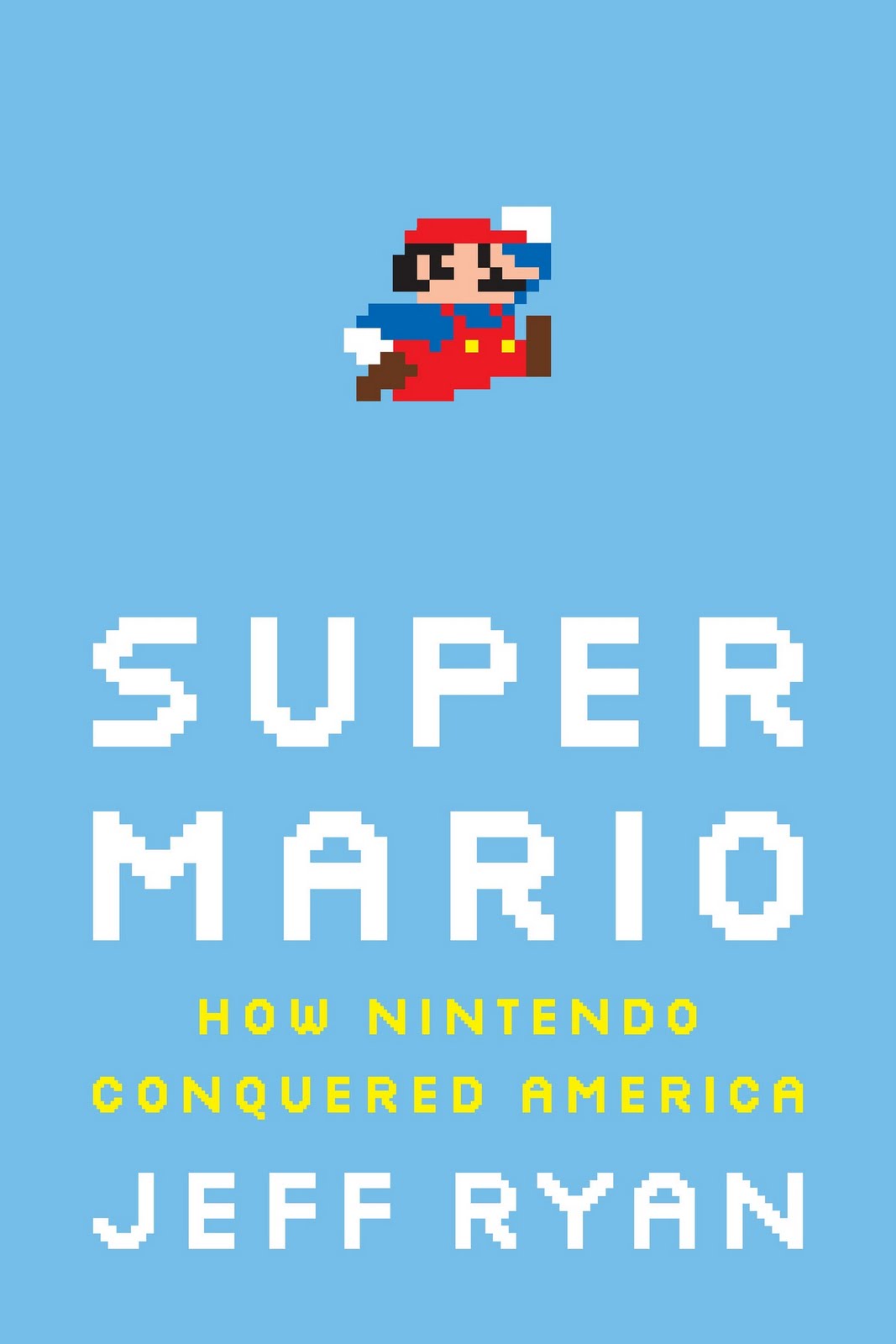
Super Mario: How Nintendo Conquered America

Nintendo has defined videogames. Since it first threw its glove into the ring of arcade games in the 80’s, the company has changed the way people view, build and play games and Jeff Ryan’s Super Mario: How Nintendo Conquered America chronicles their rise from card game manufacturer to ubiquitous icons of the industry.

This book offers 280 pages of well-organized content that profiles the games, tech and personalities that set the standard for the medium. Covering everything from Nintendo’s days as a card game manufacturer to their successes with the Wii, Ryan introduces us to Hiroshi Yamauchi, the savvy entrepreneur who took his business into game cabinets, to his son-in-law Minoru Arakawa who put those machines in American arcades to Shigeru Miyamoto, the legendary game designer and Mario, his creation that he made the face of fun and quality. Continue reading “Super Mario: How Nintendo Conquered America”