
For as much as they’re capable of expressing complex concepts in ways no other medium can, videogames as a form have a long history of telling their narratives using techniques and styles found in traditional film. A rough portmanteau of ‘machine’ and ‘cinema’, machinima is a branch of film built in virtual worlds, often consisting of digital art and engine assets, greatly reducing cost in two mediums that are often defined by it. With close ties to animated works, machinima started with humble beginnings but deserves to be critiqued among the standards of the medium.
Category: Design
Essays on game design principles and narrative theories afforded by digital technologies.
Metal Gear Solid Analysis: The Identity Trilogy Part 3: Snake Eater

In the second part of our thematic analysis of the Metal Gear Solid franchise, we took an exhaustive look at the structural subtext of Metal Gear Solid 2: Son’s of Liberty. Starting in that game, a thematic split began to form in the narrative. The story was about the importance of ideas and information to the growth of a single individual but also looked at the interaction of many individuals to form a society. Metal Gear Solid 3 carries it further.
Continue reading “Metal Gear Solid Analysis: The Identity Trilogy Part 3: Snake Eater”Metal Gear Solid Analysis: The Identity Trilogy Part 2: Sons of Liberty
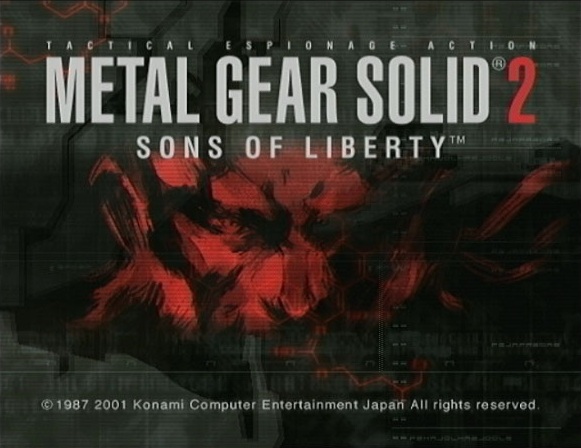
Sons of Liberty
The second installment in the Metal Gear Solid saga is about the dissemination of information, how important ideas are to the beliefs of an individual, and how they get passed within a society.
For those who never played The Twin Snakes, its story is recounted on disc as the fictional novel ‘In The Darkness of Shadow Moses: The Unofficial Truth’ written by that games weapons specialist, Nastasha Romanenko. The book fulfills several important roles all at once: it provides players of the first game with new story bits that happened on the opposite end of the Codec that Snake wasn’t privy to and exists in the Metal Gear universe as the tell-all that made Solid Snake and his crop of dark mulleted hair a hero the world over for preventing nuclear war.
Continue reading “Metal Gear Solid Analysis: The Identity Trilogy Part 2: Sons of Liberty”
Metal Gear Solid Analysis: The Identity Trilogy Part 1: The Twin Snakes

MEME, GENE, SCENE
As an aesthetic work, the Metal Gear Solid saga examines what it means to be human. The spine of the series revolves around the full development of an individual’s identity through the foundations of their biological makeup, the shaping of culture and art upon them, and the importance of the experiences that individual collects throughout their life. But just as important are how those facets forms an individual’s beliefs and directs policies within their country and relative to countries across the globe.
Continue reading “Metal Gear Solid Analysis: The Identity Trilogy Part 1: The Twin Snakes”
The Streets of Arkham City Are Prowled By Lunatics

Batman: Arkham City is an incredible sequel to a game with some of the most robust mechanics you’ll find anywhere in the medium.
Picking up six months after the events of Batman: Arkham Asylum, the inmates of that institution and the violent prisoners of Blackgate Penitentiary have been rounded up after events that transpired in a comic series leading up to this game into a prison known as Arkham City at the behest of Dr. Hugo Strange. Strange, who came into possession of Batman’s true identity by unknown means, has thrown Bruce Wayne within the confines of the fences controlled by his TYGER guards to incite deployment of his shadowy ‘Protocol 10’. By its end, Batman will run up against many of his legendary enemies including The Joker, who is suffering from fatal side effects to his exposure to his Titan experiments from his previous takeover of Arkham Asylum.
Continue reading “The Streets of Arkham City Are Prowled By Lunatics”
Ridin’ The Jet Set Funk

Hideki Naganuma is a producer who has earned an impressive amount of respect and professional accolades. Hit play below.
The above track is ‘Let Mom Sleep’, the opening of Jet Set Radio’s soundtrack. Many people who played the Dreamcast classic remember tearing up JSR’s streets to funky beats that added electricity to the gameplay and authenticity to it’s alt-lifestyle and urban youth rebellion stylings. It helped to make that game lively and fluid, colorful and fun. It’s simply amazing.
Combining hip-hop, soul and funk, every track from that game offered something different. Here’s ‘Sweet Soul Brother’, track eight. Continue reading “Ridin’ The Jet Set Funk”
The Songs of Bastion
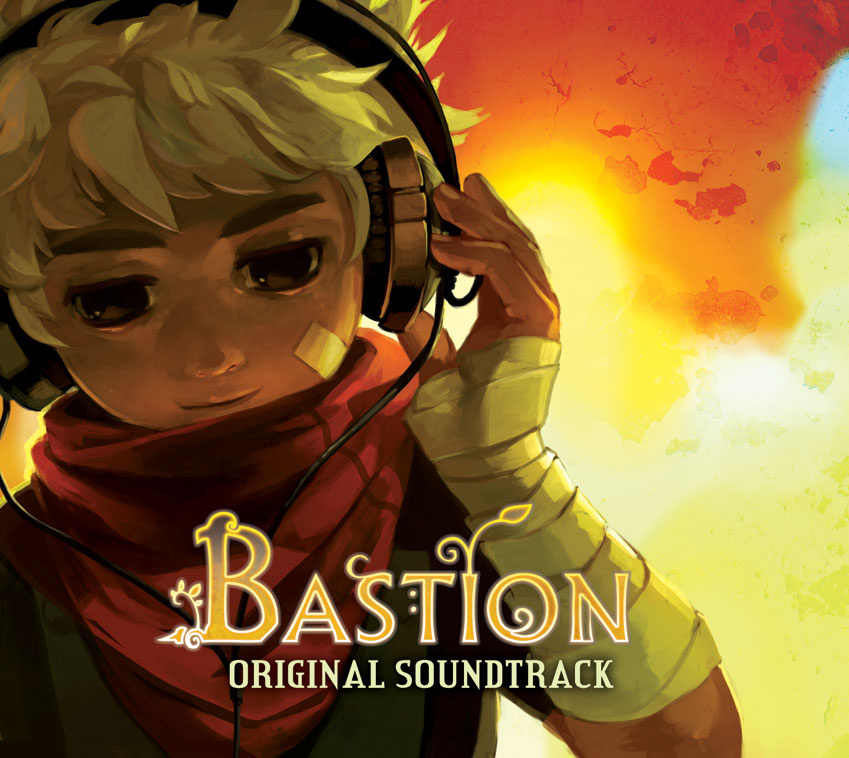
Bastion’s Caelondia is destroyed minutes before the game’s opening. The Kid, waking from his bed, sets off through a dream that is beautiful and haunting as a nightmare. Supergiant Games crafted a fiction where every element adds to the cohesion of its story. Part of why it works is it’s great sense of place- a fiction that is mysterious and evocative.
Story en Masse: Narrative Comparison of Mass Effect 1 vs 2

There seems to be this qualitative assertion that when it comes to narrative, more equates with better. This strange idea has become the primary dividing line in any debate between the first Mass Effect and the second.
Mass Effect 1 has an incredible burden on its shoulders. As the first chapter in what Bioware had early on promised to be a trilogy, the story needed to juggle introducing the fiction of the universe, the narrative for the events that would transpire in this game and justify the character that would be instrumental within it.
Continue reading “Story en Masse: Narrative Comparison of Mass Effect 1 vs 2”
 scriptroutine.com