
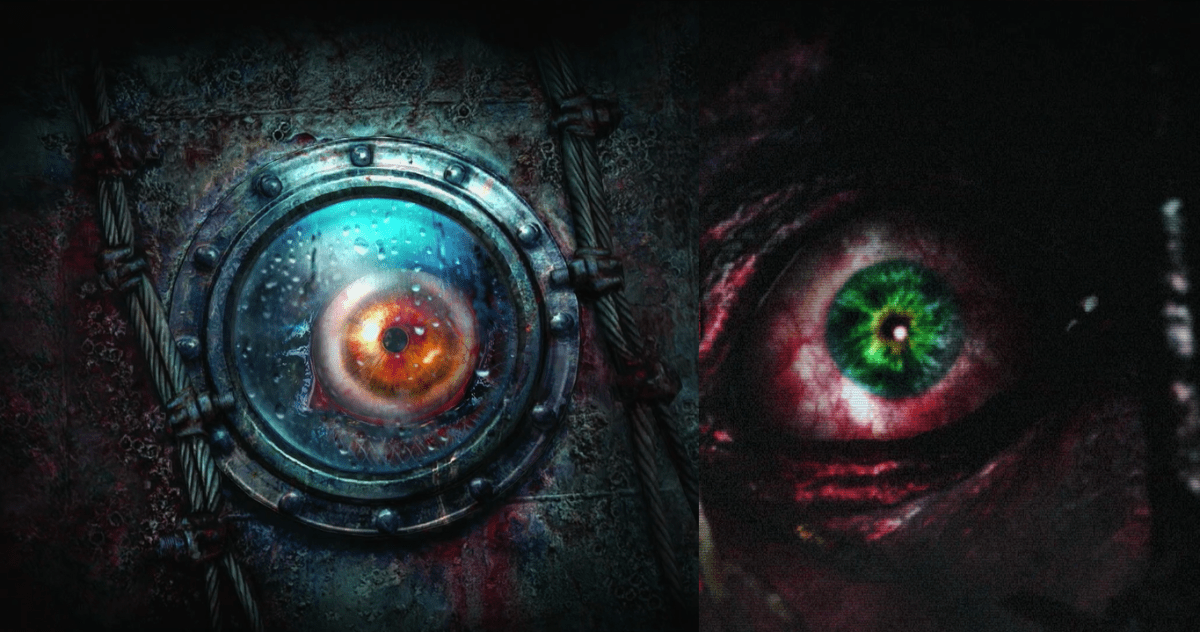
By Resident Evil 5, the series has morphed from a slow burn horror game that emulated a B zombie film into a bombastic action horror co-op spectacular, using a selectable mission-based structure that told an episodic story about bioterrorism. The change from classic survival horror began as early as RE2, adding action elements, scope, and minigames that would eventually merge into a responsive, agile gameplay that was more thrilling than terrifying. In little more than a decade, Resident Evil had seen two distinct generations, the first built around an item-based progression and the other refined into a tactical action shooter with complex level design. The quick evolution injected defects that risked killing the series, but the production team was able to administer much needed treatment, first by stripping the design down in Resident Evil: Revelations, then grafting new tissue with Revelations 2.
Continue reading “Resident Evil’s Revelations: How Distilling Survival Horror’s DNA Engineered Its Rebirth”
