Bayonetta’s High-Flying, Pistol-Stiletto Burlesque

Lights Down, Curtain’s Up

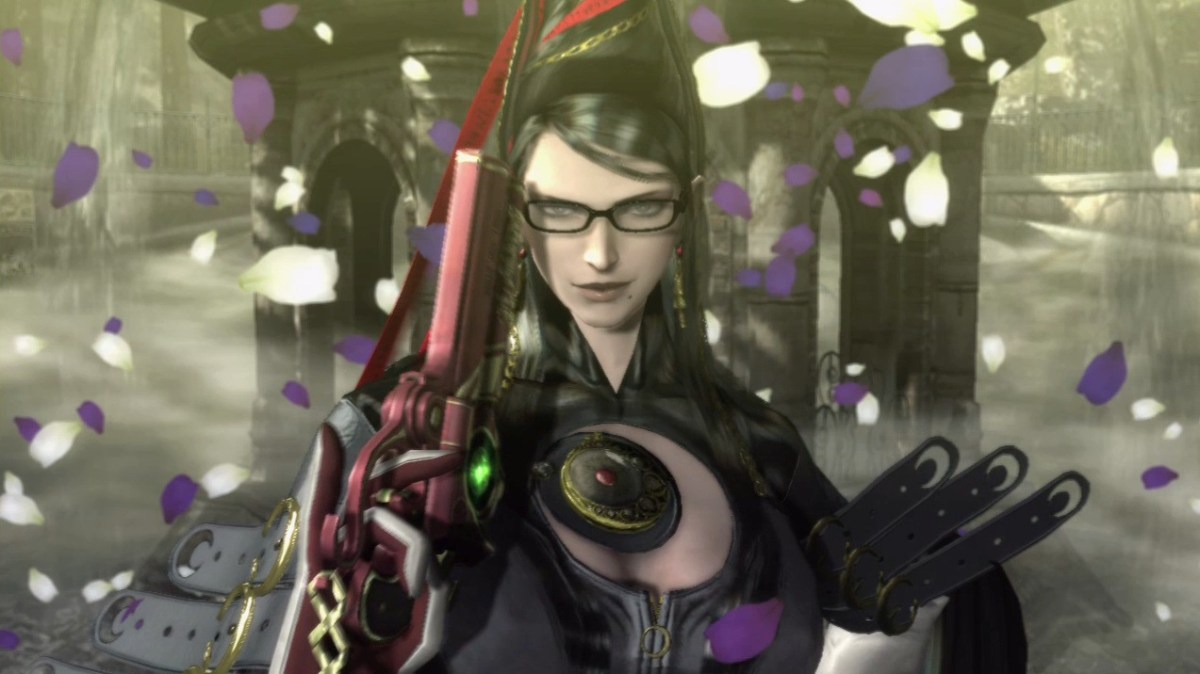
Bayonetta’s prologue starts conservatively, with a nun clad in white quietly praying over a grave. It primes the world’s Victorian aesthetics with a puritanical morality up front that wouldn’t fool anyone who had seen even the box art. That a flock of angels descend from heaven and cut off her clothes to reveal the scantily-clad Umbran Witch underneath who lithely dances around shooting them in the head is perhaps the proper way to open the show.

Continue reading “Bayonetta’s High-Flying, Pistol-Stiletto Burlesque”
The Disembodied Soul of Ground Zeroes

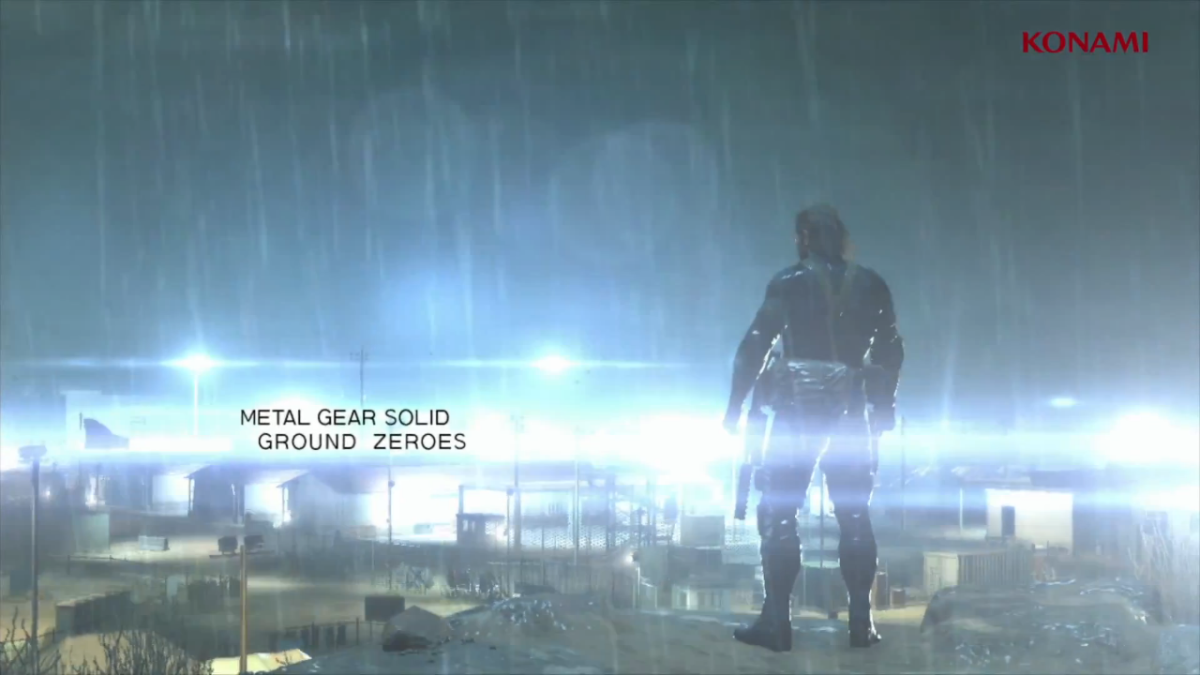
On my third infiltration into Ground Zeroes’ Camp Omega, I found an electrical panel that allowed me to cut the power to the surrounding facility, disabling all the lights and the several security cameras so I could quietly rescue the prisoner at its belly. It was the latest in dozens of exploitable gameplay options built into Omega that proved it was a dynamic, multi-faceted place that enabled and rewarded a variety of playstyles. The first game powered by the Fox Engine, GZ introduces players to the new levels of agency offered in the second part of the Metal Gear Solid V saga, The Phantom Pain; ideas that evolve the classic Metal Gear design. Continue reading “The Disembodied Soul of Ground Zeroes”

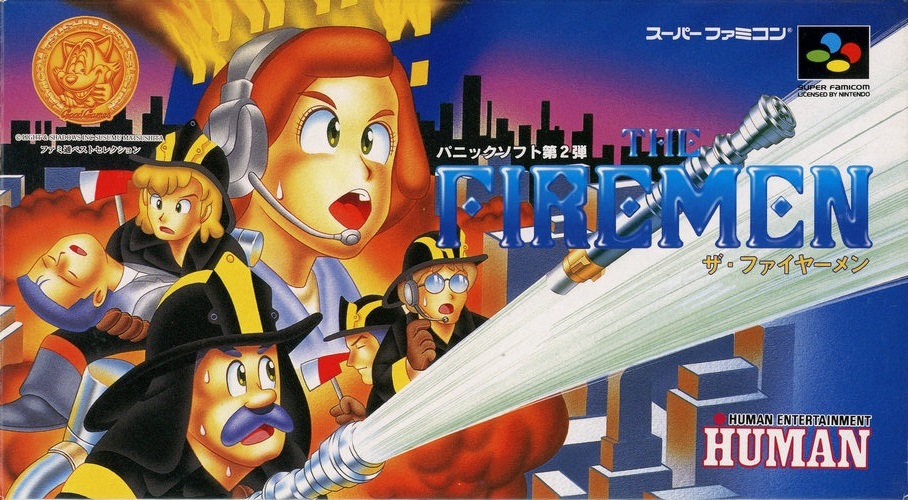
The Firemen: Into the Fire

The fact that The Firemen exists is a weird thing. An action game about battling rampaging fires, it shows developer Human Entertainment’s love of the seemingly never-ending onslaught of B-grade action movies that Hollywood farted out in the 80’s. Think Die Hard minus all the cowboy stuff (so not really Die Hard at all, I guess). What’s tragic is that this super American gem never made it State-side. It’s a product that on paper shouldn’t be half as great as it is, and on your SNES shouldn’t have really even ever come out.

Continue reading “The Firemen: Into the Fire”

Asura’s Wrath: The New Anime

Asura’s Wrath contains one of the most brilliant player-directed narrative sequences in videogames; a fist fight. The two brawlers dance about the screen, one trying desperately to explain his actions to the other among a flurry of attacks. To evade them, the player must nail the timing for the increasingly frequent on-screen button prompts as any mistake is punished with a fist to the face, interrupting the dialogue and completely ending the conversation.

Continue reading “Asura’s Wrath: The New Anime”

Soul Blazer: Blazin’ The Trail

The early-to-mid 90’s set the stage for one of the most beautiful production company and development studio relationships to exist in video games with the pairing of Japanese companies Quintet and Enix. While their first game, ActRaiser, a mesh between classic platforming and Sim City style urban planning, was an insanely fresh, original idea that would lead to their eventual ‘Quintology’ it wasn’t until the release of their next title that the duo would really show their true genius.

Continue reading “Soul Blazer: Blazin’ The Trail”

Zelda’s Missing Link

Early on in A Link Between Worlds, the travelling merchant Ravio takes up shop in your house, lines it with The Legend of Zelda’s classic complement of items and offers to rent Link each and every one. This event single-handedly eradicates the suffocatingly linear item-based progression that had reached its logical conclusion even before Twilight Princess put its staggering deficiencies on display. A Link Between Worlds is in many ways an alternate take on an old story, one that reveals its true ambitions at the beginning of the second act as Link squeezes through a tear in the fabric of Hyrule and discovers that every inch of the world and its seven palaces are accessible with the right tool in hand.

Continue reading “Zelda’s Missing Link”

The Saint’s Flow: Purple Stuff

The Japanese ad for The Saint’s Flow Energy Drink shows Pierce, the hip and youthful face of the Third Street Saints brand division, being mercilessly beaten on a basketball court by armed punks. The situation looks bleak, until an anthropomorphized purple can of Saints Flow descends from heaven and gives him the strength to throw off his attackers, unleash a savage volley of fists, kicks and a clothesline before shooting a Ryu-style fireball from his hands and closing out the performance by atomic dunking a basketball that appeared out of nowhere to a shower of neon stars. The Third Streets Saint’s lifestyle has been canned and is ready to be swallowed.

Continue reading “The Saint’s Flow: Purple Stuff”

A Super Mario World: Exploring Dinosaur Land Through Play

Super Mario World starts at Yoshi’s House and gives the pudgy Italian plumber the freedom to explore the overworld to the left or right. To the left is Yoshi’s Island 1, a bright and colorful place with tank top-wearing koopa’s, small purple dinosaurs and giant goddamn bullet bills. Beat it and the area around will come alive underfoot. The path dead ends at the Yellow Switch Palace sitting on top of a cliff and the large button that causes matching boxes to fill in throughout the world. With this one action, large scale change has swept across Dinosaur Land. It will never be the same.

Continue reading “A Super Mario World: Exploring Dinosaur Land Through Play”

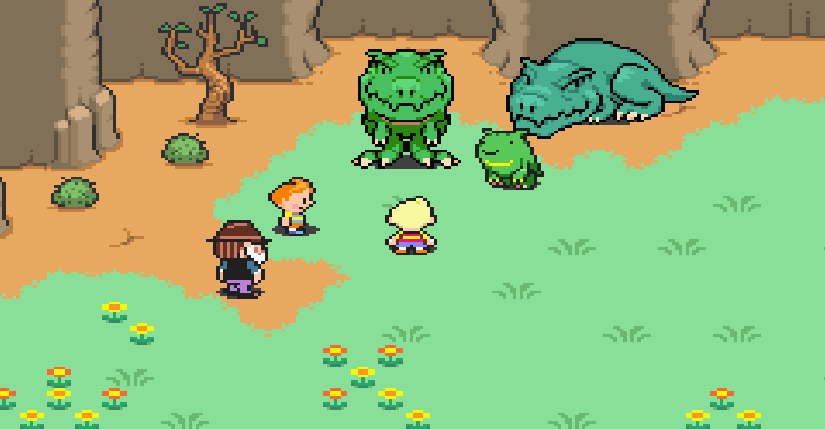
Mother 3: A Game’s Story

For all their merits, traditional JRPGs haven’t exactly positioned themselves as videogame’s most cohesive narrative experience. One reason is foundational to the genre: the separation of world exploration and menu-based combat breaks player immersion from the story and characters. The other reason is true for the majority of games period: they all know how to implement a story but few understand how to exist as one. While still very much a traditional JRPG, Mother 3’s story takes root at its core, finding ways to incorporate all its elements into a whole that is surprising and emotional.

Continue reading “Mother 3: A Game’s Story”

It’s All Been Done Before: Bioshock’s Infinity

NOTE: Franchise Spoilers

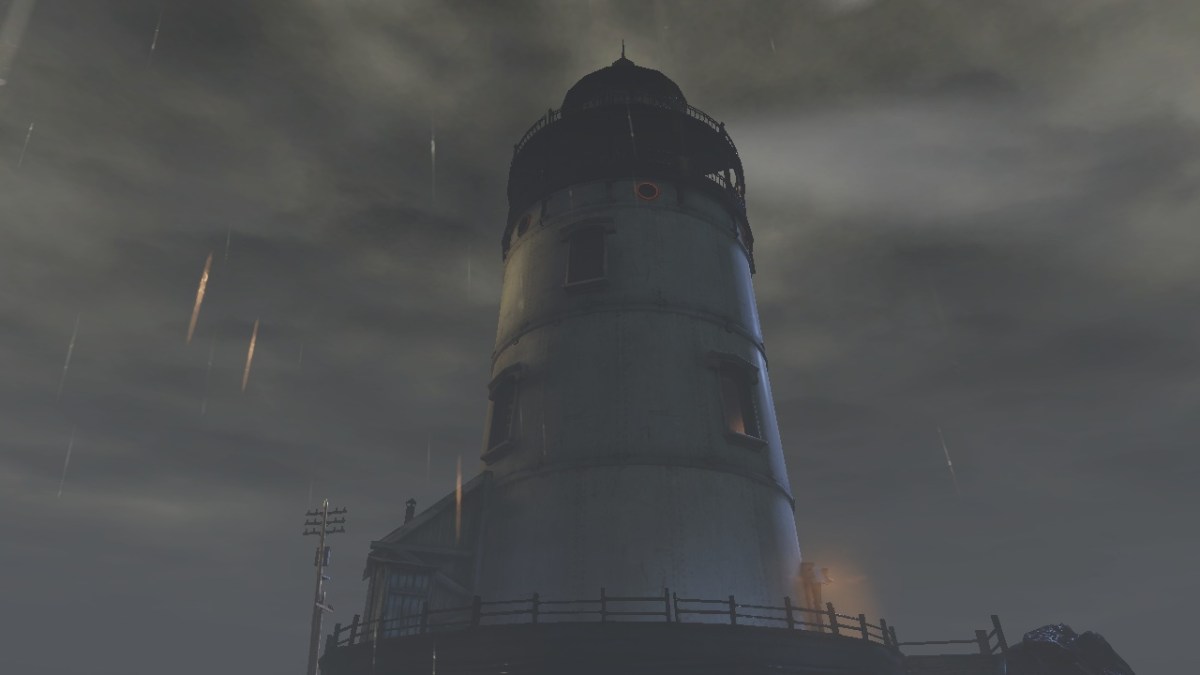
Two lighthouses stand tall. In both Bioshock and Bioshock Infinite, walking through their front doors is the first step in your adventure in two cities that share more in common than their architecture would lead you to believe. In Bioshock proper, the door leads to a bathysphere that takes you to the cold blackness of the underwater city of Rapture, deep below the sea. In Infinite, it contains the rocket that will launch you to the sun washed floating city of Columbia, high above the clouds. You only need to play the first five minutes of both these games to observe the duality at their heart- one is a descent into Hell, the other the ascension to Heaven.

Continue reading “It’s All Been Done Before: Bioshock’s Infinity”